Listen
We start with the full story: what changed, what matters, and what you want back.
Assessment & consultation
Understand how you move, what is limiting you, and which changes will make the greatest difference. Leave with a clear direction, not a longer list of problems.
What we examine
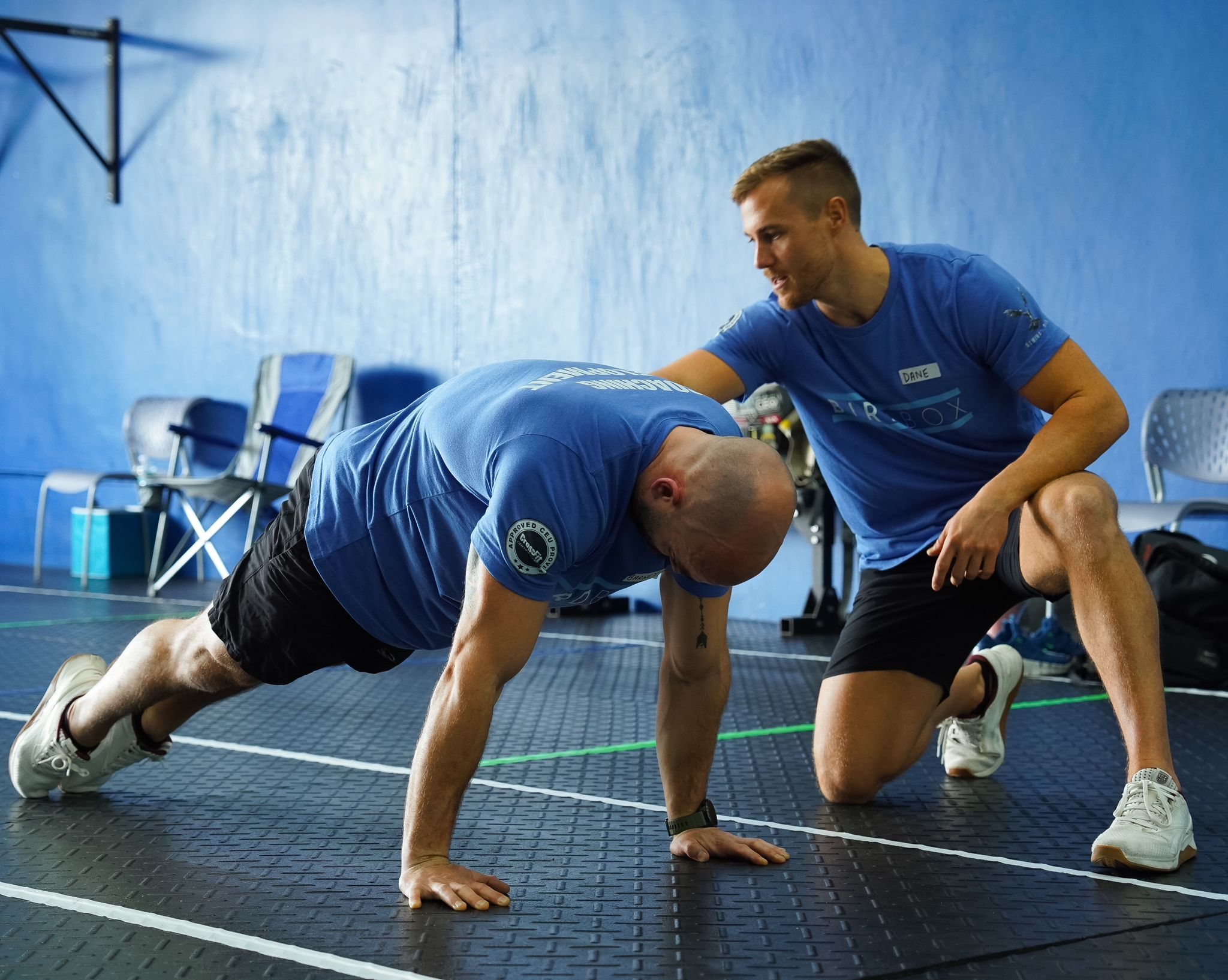
An assessment is not a test you pass or fail. It is a practical way to understand your current options.
We connect your movement patterns to your goals, training history, symptoms, and day-to-day demands. That context helps us identify the smallest number of meaningful priorities.
What to expect
We start with the full story: what changed, what matters, and what you want back.
We use relevant movement tasks to understand options, strategies, and capacity.
You leave knowing what to prioritize and whether ongoing coaching is a good fit.
Good fit
Use the assessment first when the path forward feels unclear. From there, the app can guide your next block, and consultation can add individual context when you need it.
For referring practitioners
The Mastery of Movement welcomes collaboration with physical therapists, chiropractors, physicians, and other healthcare professionals across St. Petersburg and Tampa Bay.
Dane’s role is not to diagnose or replace medical care. Coaching helps appropriate clients translate clinical progress into durable movement, progressive strength, and confidence with the activities that matter to them.