Clarify
We identify the task you want to improve and the specific positions, ranges, and strategies involved.
Mobility training · St. Petersburg, Florida
Targeted mobility coaching for shoulders, hips, ankles, spine, squats, overhead positions, and the activities that matter to you.
Direct answer
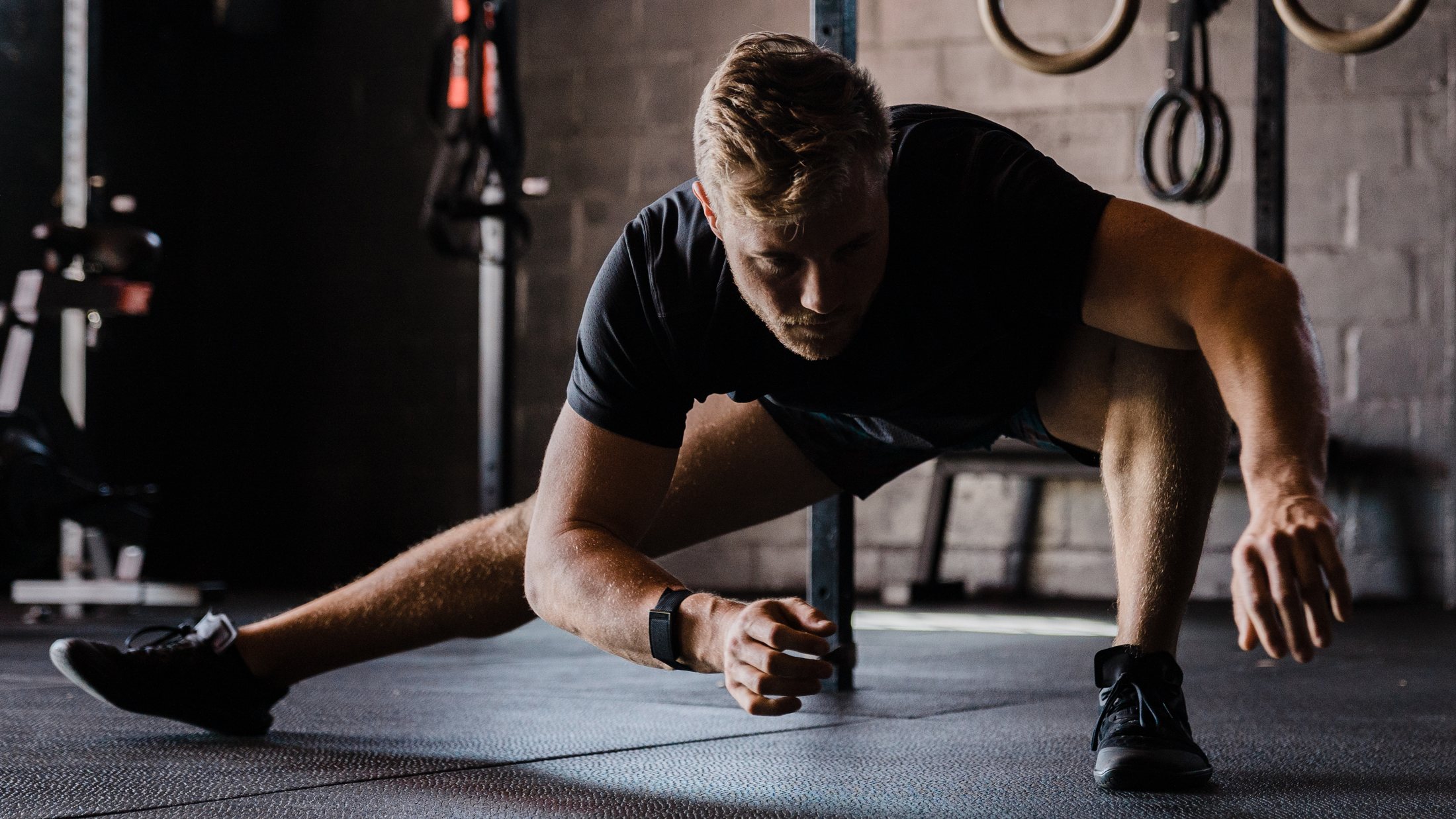
Effective mobility training combines available range of motion with active control, strength, coordination, and repeated exposure. Stretching may be part of the process, but it is rarely the whole solution.
Who it helps
The work is adapted to your history, current capacity, and the activities you want to return to or develop.
The process
We identify the task you want to improve and the specific positions, ranges, and strategies involved.
You practice a focused blend of flexibility, active mobility, control, and progressive loading.
New range is connected to squatting, reaching, lifting, locomotion, gymnastics, or other meaningful skills.
What you can expect
Why this approach
Generic mobility routines treat every restriction the same. Individual mobility coaching looks at the task, your anatomy, your current strategy, and whether flexibility, control, strength, tolerance, or practice is the real priority.
The Mastery of Movement bridges rehabilitation, fitness, and long-term physical development. Coaching is educational, progressive, and designed to support independence rather than dependence.
Related services
Your best starting point depends on whether you need clarity, restoration, private progression, mobility development, or focused skill coaching.
Common questions
Clear answers before you book. For personal recommendations, start with a discovery call.
Flexibility describes available range, while mobility includes the ability to actively control and use that range. Useful movement often requires both.
Yes. We look at ankle, hip, trunk, balance, strategy, and strength factors that influence your squat, then train the priorities that are most relevant to you.
Yes. Overhead work may address the shoulder, shoulder blade, rib cage, spine, active control, and tolerance depending on what your assessment shows.
Some changes happen quickly, while durable changes require consistent practice and progressive loading. The timeline depends on the goal, training history, and limiting factors.
It depends. Mild recurring discomfort may be compatible with coaching, but significant, worsening, traumatic, or unexplained symptoms should be evaluated by a qualified healthcare professional.
Build usable range
Use the assessment to identify the limiting factors. The Training App gives you the next block, with consultation available when you want a more individualized roadmap.